Indonesia is one of the most culturally diverse countries in the world, home to more than 1,300 ethnic groups spread across thousands of islands. This diversity is vividly expressed through cultural festivals that combine rituals, art, music, dance, and local wisdom passed down through generations. For travelers seeking meaningful experiences beyond sightseeing, Indonesia’s cultural festivals offer deep insight into the soul of the nation.
As of 2026, many of these festivals have gained international recognition while still preserving their sacred and traditional roots. Some are centuries old, while others have evolved into modern cultural celebrations without losing their authenticity. Below are the top ten cultural festivals in Indonesia that continue to attract both local and international visitors.
1. Nyepi – Bali
Nyepi, the Balinese Day of Silence, is one of the most unique cultural festivals in the world. Celebrated as the Balinese Hindu New Year, Nyepi is marked by a full day of silence, fasting, and meditation across the island. Airports close, streets are empty, and even lights are turned off, creating an atmosphere of total stillness.
Before Nyepi, colorful Ogoh-Ogoh parades fill the streets with giant demon statues symbolizing negative forces. The contrast between the vibrant celebrations and the following day of silence makes Nyepi a powerful spiritual and cultural experience for visitors.
2. Pasola – Sumba, East Nusa Tenggara
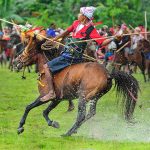
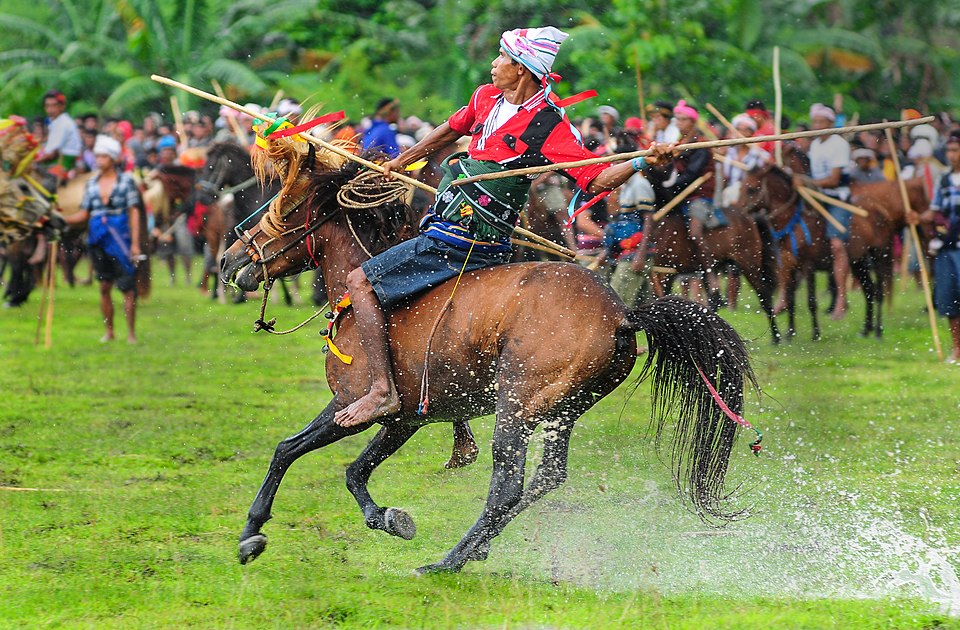
Pasola is a traditional war ritual held annually by the indigenous people of Sumba. The festival involves horseback warriors throwing wooden spears at one another as part of a sacred ceremony to ensure a good harvest. Pasola reflects the strong connection between spirituality, agriculture, and bravery in Sumbanese culture.
The timing of Pasola is determined by traditional elders based on natural signs, making it unpredictable yet deeply authentic. Tourists are drawn to its raw intensity and the rare opportunity to witness an ancient ritual that remains unchanged by modern influence.
3. Jember Fashion Carnival – East Java
The Jember Fashion Carnival (JFC) is one of the largest street fashion festivals in the world. Unlike traditional runway shows, JFC transforms the streets of Jember into a vibrant open-air fashion stage, featuring extravagant costumes inspired by Indonesian culture, nature, and global themes.
By 2026, JFC has become an international cultural icon, attracting designers and photographers from around the world. Despite its modern presentation, the festival remains rooted in Indonesian creativity and cultural storytelling.
4. Tabuik Festival – West Sumatra
Tabuik Festival is held annually in Pariaman to commemorate the Islamic Day of Ashura. The festival centers around large ceremonial structures called tabuik, which are paraded through the streets before being carried into the sea. This ritual symbolizes the mourning of Imam Hussein.
The festival blends Islamic history with Minangkabau cultural traditions, creating a powerful and emotional atmosphere. Music, drumming, and communal participation make Tabuik one of the most captivating cultural events in Sumatra.
5. Karapan Sapi – Madura, East Java
Karapan Sapi is a traditional bull racing festival originating from Madura Island. Pairs of bulls race across muddy tracks, guided by jockeys standing on wooden sleds. The competition is not only about speed but also prestige and honor for the owners.
Beyond the races, Karapan Sapi features traditional music, ceremonies, and elaborate bull decorations. The festival highlights Madurese values of strength, pride, and community spirit.
6. Festival Danau Toba – North Sumatra
Festival Danau Toba is a major cultural event celebrating Batak culture and the natural beauty of Lake Toba. The festival includes traditional dances, music performances, boat races, and culinary exhibitions, all set against one of Indonesia’s most stunning landscapes.
As of 2026, the festival plays a key role in promoting sustainable tourism in North Sumatra. It serves as a cultural bridge connecting Batak traditions with modern tourism development.
7. Bau Nyale – Lombok, West Nusa Tenggara
Bau Nyale is a traditional sea worm harvesting festival held by the Sasak people of Lombok. According to legend, the worms represent the reincarnation of Princess Mandalika, who sacrificed herself for peace among kingdoms.
Thousands of people gather on Lombok’s beaches at dawn to catch the nyale, believing they bring good fortune. The festival combines mythology, environmental awareness, and community celebration.
8. Erau Festival – East Kalimantan
Erau is a royal cultural festival originating from the Kutai Kartanegara Sultanate. The festival includes traditional rituals, royal ceremonies, dances, and water processions along the Mahakam River.
Erau reflects the legacy of one of Indonesia’s oldest kingdoms and showcases the cultural richness of East Kalimantan. In recent years, it has become a symbol of cultural preservation amid rapid regional development.
9. Cap Go Meh – Singkawang, West Kalimantan
Cap Go Meh in Singkawang is one of the most spectacular Chinese cultural festivals in Indonesia. The highlight is the appearance of Tatung, spirit-medium performers who demonstrate acts of endurance while believed to be possessed by ancestral spirits.
The festival represents harmony between Chinese traditions and local Dayak culture. It attracts thousands of visitors each year and stands as a powerful example of Indonesia’s multicultural identity.
10. Bali Arts Festival – Bali
The Bali Arts Festival is a month-long celebration of Balinese culture, featuring dance, music, crafts, and theatrical performances from all regions of the island. It serves as a living museum where traditions are preserved and reintroduced to younger generations.
For visitors, the festival offers an immersive cultural experience, showcasing the depth and variety of Balinese art forms. By 2026, it remains one of the most important cultural festivals in Southeast Asia.